A table where food, conversation and hospitality bring people together, shaped by Persian roots, Dutch life and everything gathered along the way.
Patoq is a Persian word.
Literally, it describes a place where people gather and return to. But there is another feeling carried in the word that is harder to translate.
A Patoq is a place that isn’t home, but feels like home.
It might be a café, a familiar corner, someone’s kitchen, or simply a table you find yourself returning to. What makes it a Patoq isn’t the place itself. It’s the feeling of being welcome there — of knowing you can arrive, sit down, share a meal and belong.
That feeling is where our Patoq begins.
Because food has always been about more than what is on the plate. It carries memory and culture. It marks celebrations, softens difficult days, starts conversations and gives us a reason to sit together.
And sometimes, around the right table, among the right people, a place that isn’t home begins to feel like one.
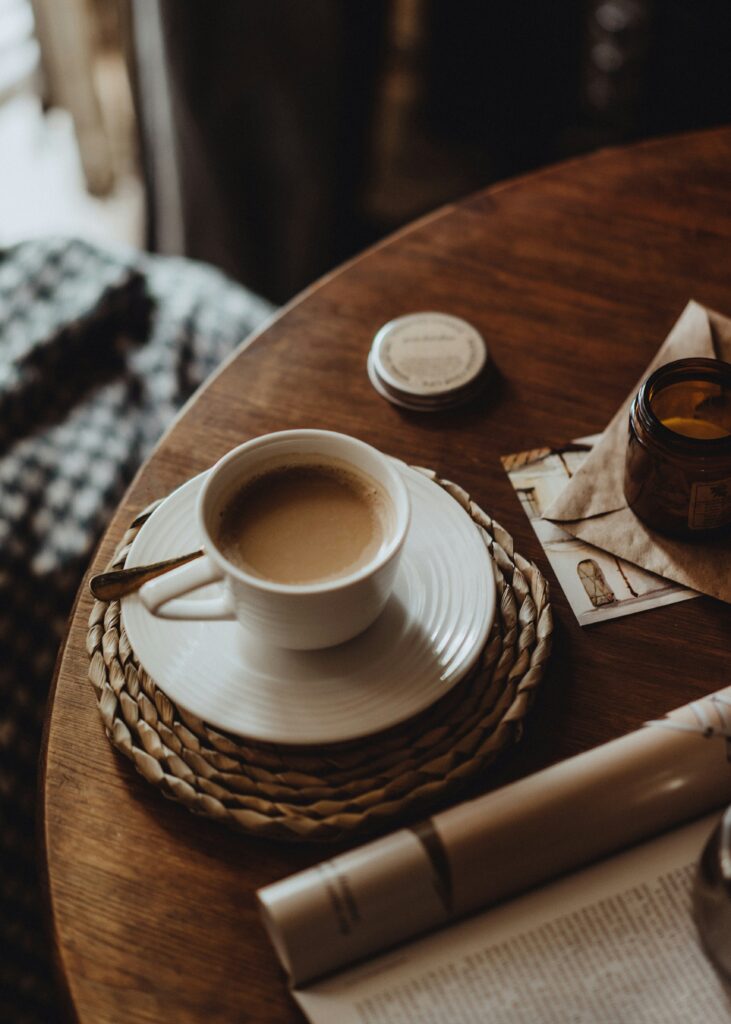
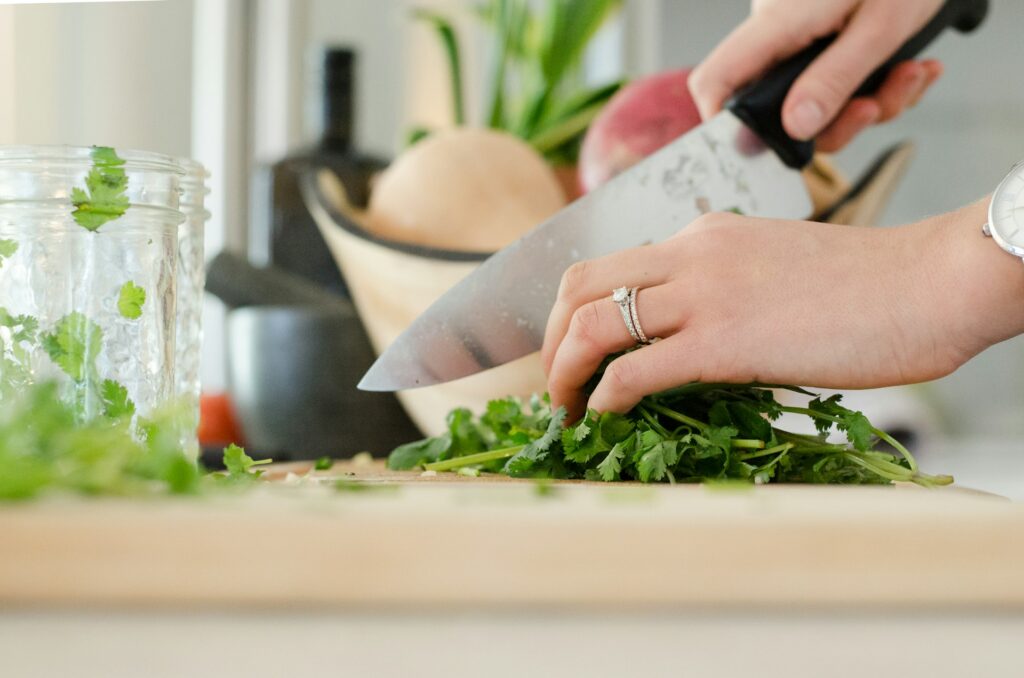
Patoq lives somewhere between Persian hospitality and Dutch gezelligheid.
On one side is the Persian instinct to feed generously, to put another dish on the table just in case, and to do everything possible to make a guest feel at home.
On the other is Dutch gezelligheid: informal, comfortable and wonderfully content to sit together for no particular reason at all.
At Patoq, the two have found their way to the same table.
Persian abundance and simplicity.
Different cultures and familiar rituals.
Someone’s favourite old recipe, and an idea that only appeared while we were preparing the table.
Flavours I know and flavours I am still discovering.
Patoq doesn’t try to recreate Iran in the Netherlands, nor does it try to make Persian food Dutch.
It is something more natural than that: what happens when cultures live alongside one another long enough to become part of the same table.
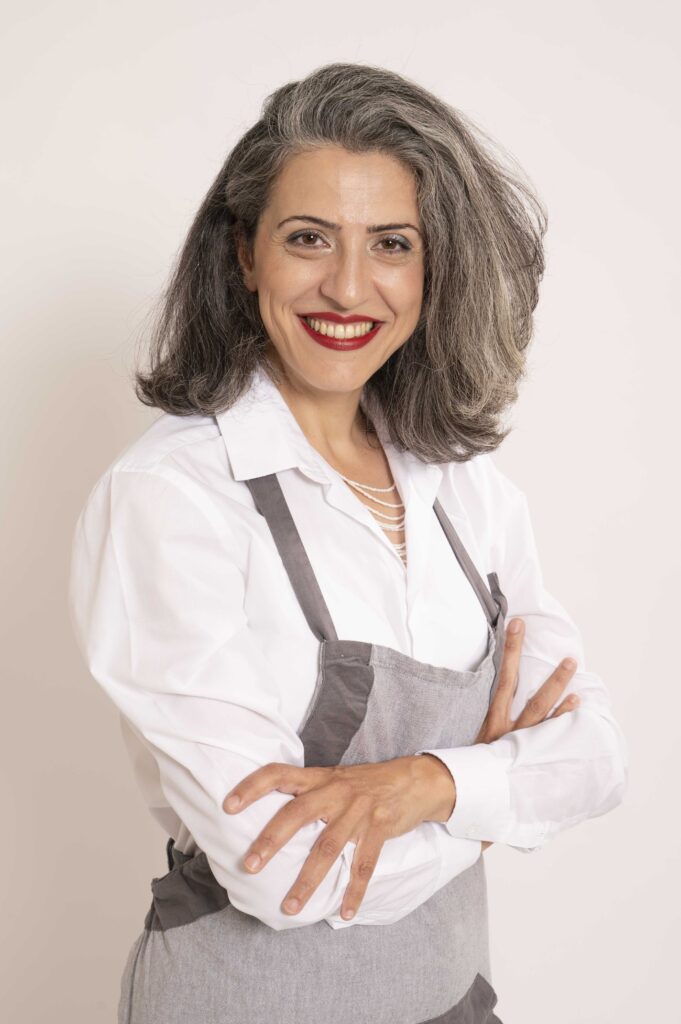
Patoq is shaped by Somaye Dehban, born and raised in Iran but, by now, as she likes to put it, thoroughly Dutchified.
Her table has travelled with her.
What began with the flavours, rituals and generosity she grew up with has changed along the way, influenced by the places she has lived, the people she has met and the home she has made in the Netherlands.
But one thing has remained remarkably constant: for Somaye, cooking has never existed separately from hosting.
The food matters, enormously, but so does everything that happens around it.
Who is sitting beside whom.
What gets passed across the table.
The story behind a dish.
The conversation that begins unexpectedly.
The guest who arrived knowing nobody and leaves knowing someone.
That is why Patoq was never really going to be just about cooking.
It grew from a way of thinking about food as something that can carry culture and memory, certainly, but also as a reason for people to gather.
A way to welcome someone. To introduce people who might otherwise never have met. To make an occasion feel considered without making it formal.
Today, Patoq is deliberately small and personal. The tables are different, the people around them change, and no two occasions are quite the same.
But the intention remains remarkably simple:
Make room. Put something good on the table. Invite people to stay.
There is a Persian expression often said when food is served:
Noosh-e-Jaan.
Literally, it means “may it be part of your soul.”
It is said simply and naturally, when placing food in front of someone, when inviting them to eat, when wishing them enjoyment.
And perhaps it says something important about Patoq too.
Of course, we want the food to be delicious.
But we hope you leave with something more than a full stomach.
A conversation.
A memory.
A new connection.
And, perhaps, the feeling that for a little while, somewhere that wasn’t home felt a little like it.
Noosh-e-Jaan.